

Judo Analytics Hub
UK and international judo – tournament schedules, performance tables, match analysis and trend data. Everything is fictional and made for informational porpoises only.
What We Are Watching
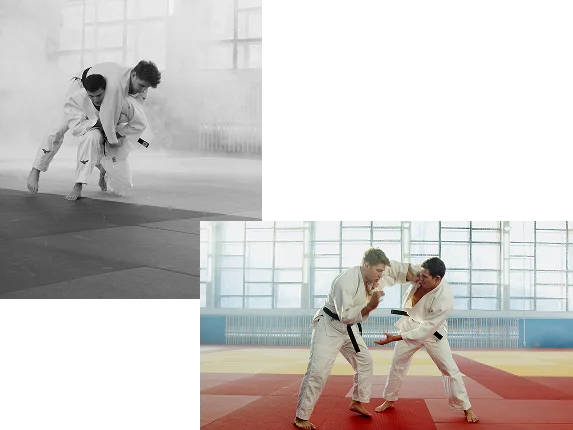
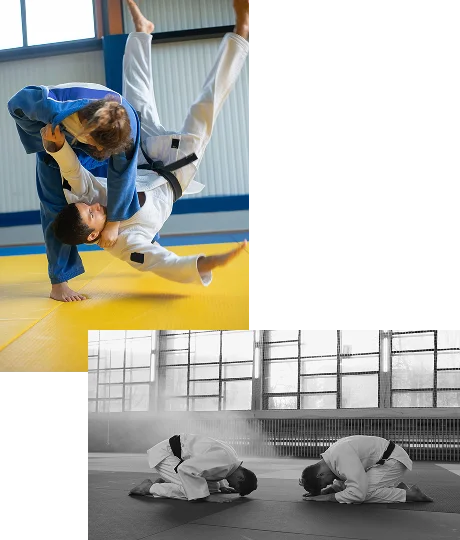
The biggest change we’ve recorded over the last eighteen months is the return of ne-waza as a primary scoring path at Grand Slam level. For most of the period from 2020–2023, groundwork was a secondary thought for most top athletes — tachi-waza on such pace meant that matches very rarely made it to mat work of any substance. That has changed.
Many of the fighters who carved out their identities as standing specialists have been dedicating their fight camps to improvements on the mat, and those changes are showing up in competition numbers. The ippon rate for transitions from ne-waza (82% in our illustrative example) is substantially higher than for any standing technique group, meaning a strong tactical incentive exists for athletes and coaching teams to focus effort on this dimension.
To date, there is encouraging depth within the British Judo high-performance programme across both -57kg and -73kg categories at a UK population level specifically. We are following whether this depth will translate into team medals at the European Championships in May, which should give the clearest pre-World Championship barometer of squad readiness.
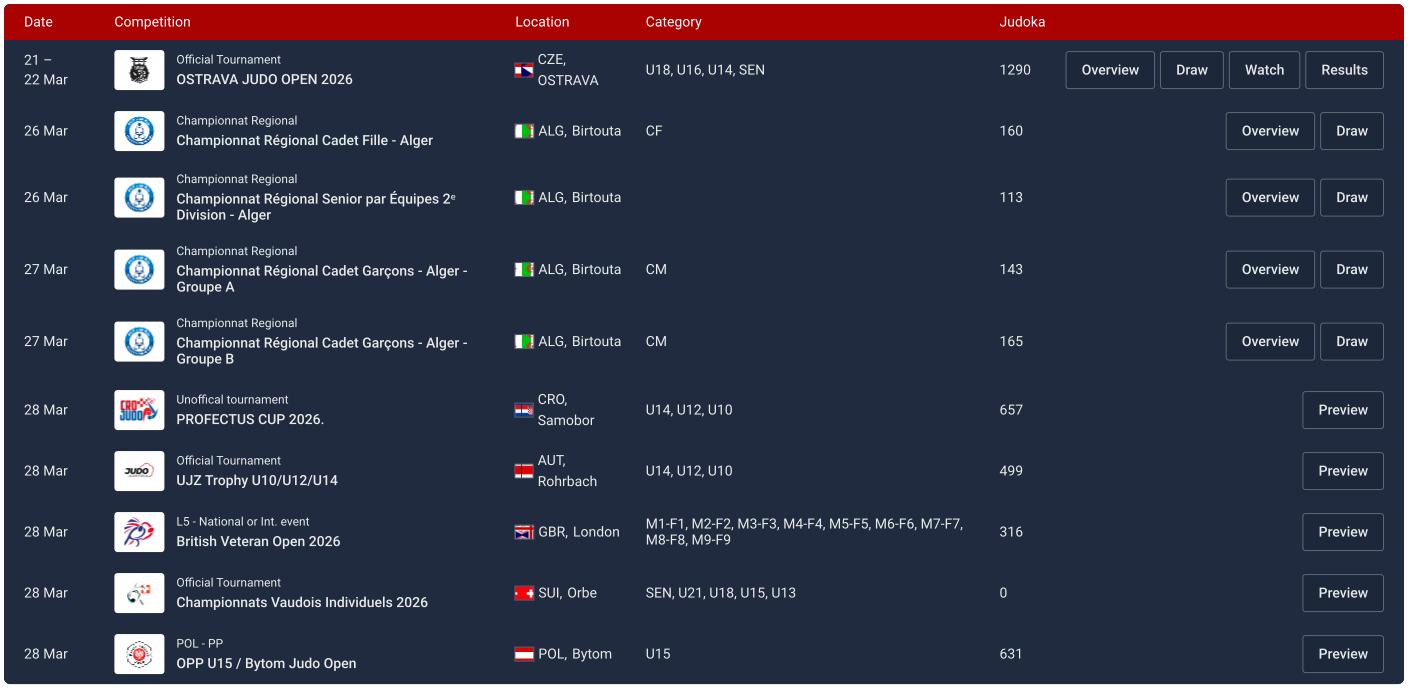
Current competitions
What Our Readers Say
Honest reflections from judo enthusiasts who value thoughtful analysis, deeper understanding, and a genuine appreciation of the sport

I found Nyiki looking for a better way to understand judo other than watching matches, and it has really reformed how I follow the sport. The analysis is straightforward without being reductive, and it calls out details I’d typically overlook — particularly around grip work and transitions.
My favorite thing about Nyiki is the level of technical detail compared to readability. You don’t need to be an expert to keep up, but the material never feels dumbed down. The match breakdowns are especially helpful — they tell you not just what happened, but why it happened.
Nyiki has a gentle and considered tone that’s rare. No extraneous noise, just structured analysis of tournaments and athlete activity. I begun noticing trends during matches I hadn’t noticed before, including how competitors control pace and space.
Being a recreational trainer myself, I appreciate Nyiki very much! In addition, description of techniques in real competitive context makes it easier to put concepts into practice. It’s not simply another means of seeing judo — it’s a way of understanding the sport and that is precisely what this platform provides.
The UK and international news coverage is particularly well done. I like Nyiki’s approach of not solely looking at the finals that matters but also exploring earlier rounds, and budding names. It provides a more complete picture of how competitors expand and evolve over time.
Nyiki feels like it was made by someone who genuinely cares about judo as an art form. The insights are down-to-earth, the prose is natural, and the emphasis is always on education and gratitude rather than hype. It has become one of the few places I look at on a regular basis for thoughtful sports coverage.